




FOR SALES ENQUIRIES: 01829 260604 ┃ sales@boughey.co.uk

Health & Nutrition - Nutrition

What Does Your Body Need?

Understanding what your body needs is essential for maintaining good health, energy and overall well-being. This guide explores the key nutrients your body relies on every day, carbohydrates, proteins, fats, vitamins, minerals, water and fibre and explains their roles, best sources and what can happen when they’re out of balance.

All information presented here is sourced from trusted NHS resources. The aim is to provide clear, evidence-based insights to help you make informed choices about your diet and nutrition.

Let’s break down each nutrient and why it matters for your body.

1. Carbohydrates (Macronutrient)
  • Why they’re good: Carbs are the body’s primary energy source, especially important for fueling the brain, muscles, and central nervous system. 
  • How the body uses them: Digested into glucose, used immediately for energy or stored as glycogen; they also spare protein from being used as fuel. 
  • Best sources: Prioritise whole or higher-fibre starchy carbohydrates like wholewheat pasta, brown rice, oats, and potatoes with skins—they contain more fibre and nutrients and help sustain energy levels.
  • Risks of imbalance:
    • Too little: May cause low blood sugar—leading to dizziness, confusion, poor concentration, and cravings.
    • Too much refined sugar: Refined carbs can spike blood sugar and long-term consumption links to obesity and type 2 diabetes.
2. Protein (Macronutrient)
  • Why it’s good: Protein is essential for building and repairing tissues—like muscles, bones, hair, skin, and hormones—and supports immune function.
  • How the body uses it: Provides building blocks (amino acids) for growth, repair, and maintenance of body structures and immune health.
  • Best sources: A mix of lean meats, fish (including oily fish), eggs, dairy, pulses (beans, lentils), tofu, and other non-dairy alternatives.
  • Risks of imbalance:
    • Too little: May lead to fatigue, weakened muscle repair and growth, and compromised immune function (implied through necessity).
3. Fats (Macronutrient)
  • Why they’re good: Fats are vital for energy storage, protecting organs, maintaining body temperature, supporting brain and nerve function, hormone production, and absorption of fat-soluble vitamins (A, D, E, K).
  • How the body uses them: Provide concentrated energy, aid in fat-soluble nutrient absorption, and support vital physiological functions.
  • Best types: Choose unsaturated fats (e.g., vegetable oils, olive oil, nuts, seeds, oily fish) and limit saturated fats (e.g., butter, cheese, processed meats).
  • Risks of imbalance:
    • Too much can increase calorie intake and saturated fat raises blood cholesterol and heart disease risk.
    • Too little may impair hormone balance, cognitive function, and cause feeling cold or fatigued (implied through loss of essential functions).
4. Vitamins & Minerals (Micronutrients)
  • Why they’re good: Vital for immune support, bone health, vision, blood formation, energy metabolism, and overall bodily functions.
    • Examples: Vitamin D & calcium support bone strength; iron is crucial for oxygen transport; vitamin C and folate bolster immunity and tissue repair.
  • Sources: Abundant in fruit and vegetables (“5 A Day”)—excellent for vitamins, minerals, and fibre.
  • Food fortification: Many staples are fortified (e.g., flour with iron/niacin/thiamine, cereals/yogurts with vitamin D) to enhance micronutrient intake.
  • Risks of imbalance:
    • Too little can impair immune functions, bone strength, and other vital processes.
    • Eating too much fruit/veg (unlikely) could cause fullness without calories, impacting appetite regulation—but generally positive.
5. Water
  • Why it’s good: Essential for hydration, digestion, nutrient transport, temperature regulation, and overall cellular function.
  • Intake recommendation: Aim for 6–8 glasses (about 1.2–1.5 litres) daily—or more if active or in hot weather.
  •  
6. Fibre
  • Why it’s good: Supports healthy digestion, helps maintain fullness, lowers bowel cancer risk, and supports heart health.
  • How to include it: Wholegrains, fruits, vegetables, pulses, and other plant-based foods. Whole foods pack fibre plus vitamins and minerals.
  • Risks of imbalance:
    • Low intake may lead to constipation and increased disease risk.
    • Excessive fibre may cause bloating or reduced appetite—but typically manageable.

Why having a balanced diet matters. 

  • Why it’s good: A varied diet with the right proportions of food groups ensures all nutrients are obtained, supporting optimal health, energy levels, and well-being.
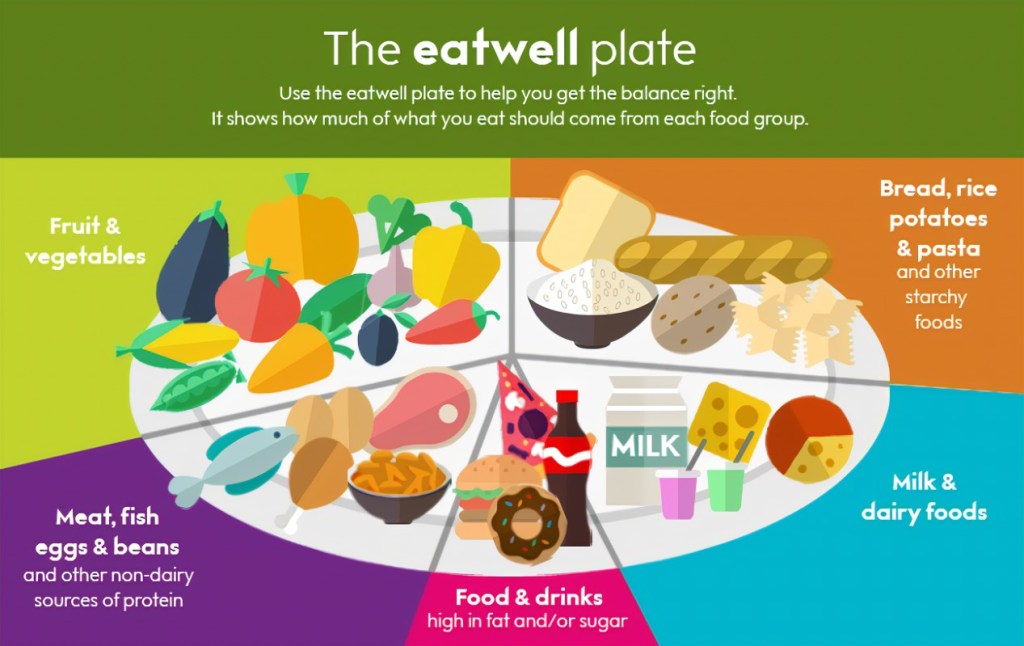
  • Eatwell Guide guidance:
    • Starchy foods: just over 33% of diet
    • Fruit & veg: just over 33% of diet
    • Protein foods: smaller portion: 15% of diet
    • Dairy/alternatives: 15% of diet 
    • Fats: small amounts of unsaturated fats 
  • Following these proportions helps avoid over-consuming fats, sugars, and calories while ensuring energy and nutrient needs are met.
Nutrient Group
Role in Body
Best Sources
Risks of Imbalance
Carbohydrates
Energy for brain & body, protein-sparing
Wholegrain starches, whole fruits
Refined sugars = energy spikes, fatigue
Protein
Tissue repair, immunity, growth
Lean meats, fish, pulses, eggs, dairy
Weak immune/tissue repair
Fats
Hormones, protection, nutrient absorption
Unsaturated oils, nuts, oily fish
Excess = heart risk; deficiency = low energy
Vitamins & Minerals
Immune, bone, mental, metabolic processes
Fruits, vegetables, fortified staples
Deficiencies = health impairments
Water
Hydration, transport, waste removal
Water, beverages
Dehydration affects all systems
Fibre
Digestion, satiety, disease prevention
Wholefoods, pulses, grains
Low = digestive issues; Excess = bloating

The Food Shack: More Than Just Burgers & Breakfasts

If you’ve only ever popped by for a bacon sarnie or a quick burger, it’s time to take another look. Chandelle and the team at The Food Shack based at our Wardle site have rebuilt their menu around proper, home-cooked food, and they’re proud of it. With a 5-star food hygiene rating, meat from local butcher Grants (which contain no additives or preservatives) and house-made sauces cooked fresh every day, this isn’t fast food, it’s good food, made well.

Alongside your favourite comfort dishes, the menu now features lighter, nourishing options designed to keep you fuelled through the shift:

  • Fresh salad bowls with your choice of filling
  • Oven-baked potatoes with wholesome toppings
  • Fluffy omelettes and made-to-order wraps
  • Daily homemade specials cooked fresh

And because variety is important, The Food Shack also cooks up homemade specials daily. Want to know what’s cooking before you stop by? Join the WhatsApp service, text “specials” to 07857 889 057 and get the daily special notifications straight to your phone.

Short on time? Pre-order your lunch the same way: WhatsApp your name, order, pick-up time and location (canteen or food van) to 07857 889 057 and collect when it’s ready.

Opening Times

The Food Shack (canteen): Mon–Fri, 8:30am – 2:30pm
The Food Van: Mon, Wed & Fri 8:00am – 2:30pm | Thu 8:00am – 7:00pm | Sat 8:00am – 2:00pm

Working nights?

The vending machine outside the canteen is stocked with microwaveable home-cooked meals, wraps and sandwiches, so you won’t miss out.

As Chandelle says: “Great workers deserve great food.” Next time you’re choosing lunch, give The Food Shack a try, taste the difference of proper, homemade cooking.

Helpful Apps

The below four apps offer tips, tricks and nutritional guides to staying healthier and eating well. All have FREE options available.

Yuka App — What It Offers for Health & Nutrition

  • Instant barcode scanning: Yuka provides a fast, colour-coded health score (0–100) for food items based on nutrition quality, additives, and organic status—green is “good,” red is “bad.” It breaks down the reasoning behind each score and offers healthier alternatives. 
  • Dual focus on food and cosmetics: Users can scan both food and personal care products, receiving evaluations for nutritional value as well as potential irritants or endocrine disruptors in cosmetics.
  • Massive database & growth: Yuka holds data on over 5 million products, including 3 million food items and 2 million cosmetics—with thousands of new entries added daily. It serves over 55 million users worldwide.
  • Independent, ad-free model: It’s an entirely independent, ad-free app—relying instead on subscriptions and product database sales. Reviews and recommendations are made objectively, with no brand influence. 
  • Proven consumer impact: The app has influenced companies to reformulate products to improve health scores and driven stronger consumer demand for transparency.
  • Criticisms to note: Some nutrition and food safety experts argue that Yuka’s methodology can be opaque or oversimplified, potentially misclassifying products in ways that mislead users.

Download the app here: 

Apple / Android 

Nutracheck
  • Extensive UK-focused database: Includes over 500,000 UK-specific items, from major supermarkets to popular restaurants.
  • Barcode & photo logging: Quick food tracking via barcode scanning or photo search. 
  • Macro & nutrient tracking: Follow calories plus macros/fibre/sugar/salt with reminders for water intake and “5-a-day” fruit and veg goals. 
  • Exercise integration: Syncs with Fitbit, Samsung Health, Garmin, etc.; includes activity tracking. 
  • Community support: Includes forums and challenges to motivate users. 
  • Free trial: Offers a 7-day free trial—highly accessible for initial campaigns or promotions.

Download the app here:

Apple / Android 

Wisdom app


Need more information or help? The
Wisdom app offers expert support for your mental, emotional, financial, and social wellbeing.

Access tools like mood tracking, health checks and 4-week habit plans, plus enjoy relaxing features like meditation and breathing exercises. As a Boughey colleague you can download the Wisdom app from your preferred app store and use the code MHA043733 to register for FREE.

Need additional help? Please reach out to HR via HR@boughey.co.uk

Download the app here:

Apple / Android 

NHS Food Scanner
  • Quick barcode scanning: Scan foods and get a “Good choice” badge or suggested healthier swaps instantly.
  • Trusted, government-backed resource: Designed for broad public use especially families and fosters accessible health messaging. 


Download the app here:

Android 

Snack Refresh: Healthier Choices, Trial Prices

We’re updating our snack selection in our on site vending machines to offer healthier, more inclusive options that support energy, focus, and well-being throughout the day. These new snacks have been chosen based on NHS guidance around balanced nutrition, and they cater to a variety of dietary needs.

Watch out for the Safer Together logo in the vending machines to get your hands on the new snacks!  

Why the Change?

  • To promote better nutrition at work—supporting energy, digestion, and concentration.
  • To offer inclusive options for different dietary requirements (vegan, gluten-free, low-carb, etc.).
  • To reduce reliance on high-sugar, low-nutrient snacks.

Health Benefits of the New Snacks

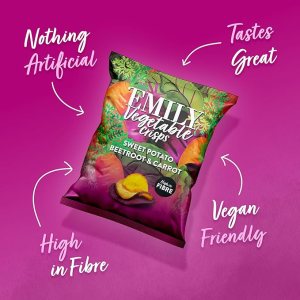
  • High in fibre: Supports digestion and fullness (e.g., roasted chickpeas, vegetable crisps).
  • High protein & low carb: Aids muscle repair and sustained energy (e.g., pork scratchings, protein bars).
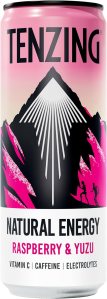
  • Natural energy: Drinks with plant-based caffeine and electrolytes (e.g., TENZING).
  • Low sugar & no preservatives: Better for long-term health (e.g., Cawston Press drinks).
  • Vegan & gluten-free options: Suitable for a wide range of dietary needs.

Trial Pricing

All prices listed are trial prices to help assess popularity and affordability. These may be adjusted based on feedback and demand.

Dietary Suitability Highlights

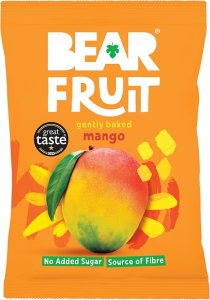
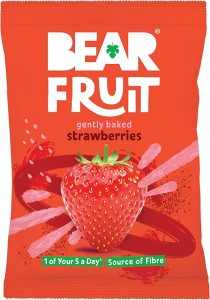
  • Vegan: Popcorn, chickpeas, vegetable crisps, TENZING drinks, BEAR fruit packs.
  • Gluten-Free: Popcorn, TENZING drinks.
  • Low Carb/High Protein: Pork scratchings, Grenade bars.
  • Dairy-Free: Vegetable crisps.
  • Kosher & Vegetarian: BEAR fruit packs.